
When Life Changes Overnight: Staying Engaged and Resilient Through Sudden Transitions
How staying busy, hopeful, and connected can help navigate unexpected life changes.

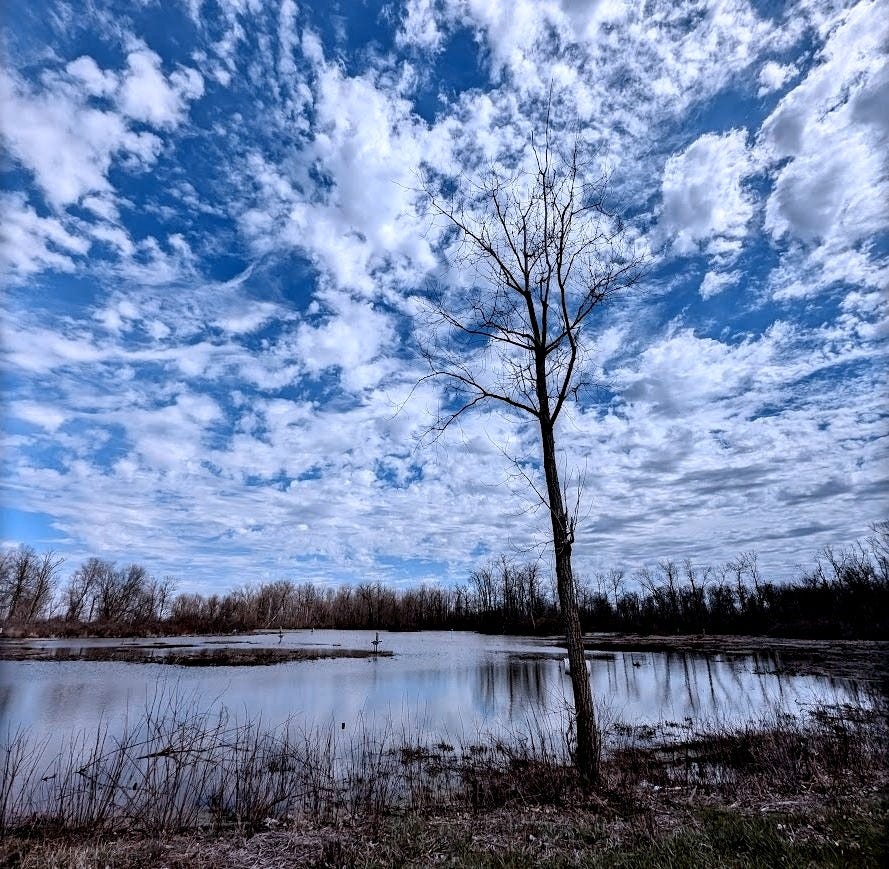
Sometimes life shifts so fast you hardly have a moment to take it in. I’ve seen that happen before, and lately it feels close to home again. Over the past few years, a large amount of people I went to school with have stepped into retirement, while I’ve stayed caught up in the rhythm of work. But after talking with a friend recently, it really sank in just how sudden—and how personal—these transitions can be.
I called my friend to welcome him back from a week-long vacation, expecting the usual stories about relaxing. Instead, I could tell immediately by his tone that something wasn’t right. I learned that while they were away, his wife received unexpected news: the company she had dedicated many years of service to had decided to retire her. They offered a severance package and walked her out the door. It wasn’t something she had planned for or seen coming.
I know this happens often, but this was the first time it affected someone close to me. The timing made it even harder—one of their children had moved back home, their home is under construction, and they had just purchased a truck. What had felt stable suddenly didn’t feel so certain to them anymore. Their children and grandchildren, however, are a source of comfort and one of their strongest supports.
While exploring how people navigate this kind of transition, I came across a striking statistic: more than half of Americans retire earlier than they expect—often due to health issues, layoffs, or decisions made by their employers. What stood out even more was that only a small number of people feel truly confident they’ll be able to retire on their own terms. On the flip side, some reports suggest that many anticipate working longer than they originally planned, simply to maintain financial stability.
As I’ve been trying to understand this whole idea of retirement—especially when it happens earlier than expected—I recognize it’s not always something people get to choose. Sometimes it just sort of arrives, whether someone feels ready or not.
From what I’ve been reading, one thing that seems to matter a lot is staying active and involved in some way. I know when people lose that daily routine or sense of purpose, it can really affect how they feel—sometimes leading to stress or even depression. So a lot of advice focuses on finding new ways to stay engaged. That could be anything from volunteering, getting involved in a local group, helping out neighbors, or just spending more time doing things like walking, gardening, or taking care of pets. Even small routines—like exercising in the morning, cooking something new, or working on projects around the house—can help create a sense of structure and progress.
Another thing I keep coming back to is just how important relationships really are. I know from my own experience that whenever I’ve gone through a transition, staying close to family and friends has made all the difference in how I’ve handled it.
It might be easy for someone to withdraw when life changes suddenly, but having people around—whether it’s children, grandchildren, or close friends—can offer both emotional support and a reminder that life still has meaning beyond work.
Something I’ve leaned on, time and time again, is hope and faith. I’ve also seen these come up often as quiet sources of strength during uncertain times—not in some big, dramatic way, but as a steady reminder that things will settle, that something good can still unfold. When that hope is paired with staying active, keeping small routines, and staying connected to others, it seems to bring a sense of grounding—something to hold onto.
What I’ve come to learn is that resilience isn’t about having everything figured out. It’s more about how we respond when life takes an unexpected turn. Resilience appears to grow over time—by staying engaged, nurturing our relationships, holding on to hope and/faith, and continuing to move forward, even in small steps. And often, it also means leaning on the people closest to us to help carry us through.
Thank you for spending your time here.
Past, Palette & Prose is a reader-supported publication. Most pieces are shared freely, though some may eventually move behind a paywall. If something here has sparked a thought, stirred a feeling, or stayed with you longer than expected, I’d be grateful for your support. Becoming a subscriber helps keep this work alive and evolving.