
Documenting: More Than Work: A Life Captured in Moments

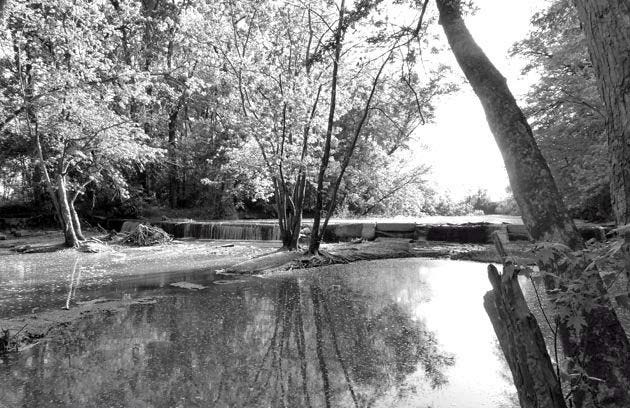
For most of my adult life—and even some of my teen years—I’ve been working. In some cases, commuting added an additional couple of hours to my day, making it feel like work consumed nearly every waking moment. At some point, I realized I needed to prove to myself that there was more to life than deadlines and obligations. That’s when I started documenting my experiences—sporting events, weekend trips, little adventures during my time off, moments that reminded me life could be richer than work.
The World Wide Web first appeared in the United States in early 1992. I don’t remember exactly when I first started logging my experiences online. I do know that back in the mid-1990s, I studied and wrote HTML and posted on Geocities, which was a popular platform from roughly 1994 to 2009. In the ’90s, Geocities had communities—called neighborhoods—that people could join. Some of the most popular neighborhoods were Heartland, Hollywood, SoHo, Tokyo, and WallStreet. I happily created content in the Colosseum neighborhood. (Colosseum was one of the original six themed neighborhoods in GeoCities. It kicked off in 1995, aimed at sports, fitness, and athletic fans. )We early users—what we called “homesteaders”—created websites about our favorite teams and sports, forming a community through a shared URL structure.
As a sports fan, I loved sharing news and photos from the games I attended and connecting with people around the world who shared my interests. It was such a fun time—I often met people at games I probably never would have crossed paths with otherwise. And believe it or not, I still keep in touch with a few of them today.
Back in the early days of the web, pages were pretty static—they were basically like digital posters. You could read the text, look at pictures, and click links or buttons, but that was about it. The pages didn’t really respond or do much on their own. To make something interactive, developers needed more than just plain HTML—they needed ways to add logic, animations, graphics, sounds, and events that could react when users clicked or typed. That’s where Adobe Flash came in. It bundled all of that into one tool, and I loved using it along with the extra extensions that came with it. Flash let me create rich, multimedia experiences that went way beyond what static web pages could do at the time.
My early posts online ended up opening doors I never expected. One piece that got noticed was a 3D rendering of a house that I’d created in Adobe Flash it doors would light up and open when clicked and link to another page —it showed off both my technical skills and my sense for visual storytelling. That led to a web design gig, and I worked remotely, with a publisher sending me projects through FedEx. In 1990’s- that was huge—it let me work from home and send completed work across the country. Back then, I was also really into chatting online—forums, early social networks, all the digital hangouts of the day. This was what many of us did before Facebook existed.
My last post on Geocities was in 2006—the same year I was diagnosed with cancer. Life suddenly had other, far weightier challenges, and my blogging took a backseat. I took a break from posting on the internet for many years. But looking back, I realize how much documenting those small joys truly meant to me.
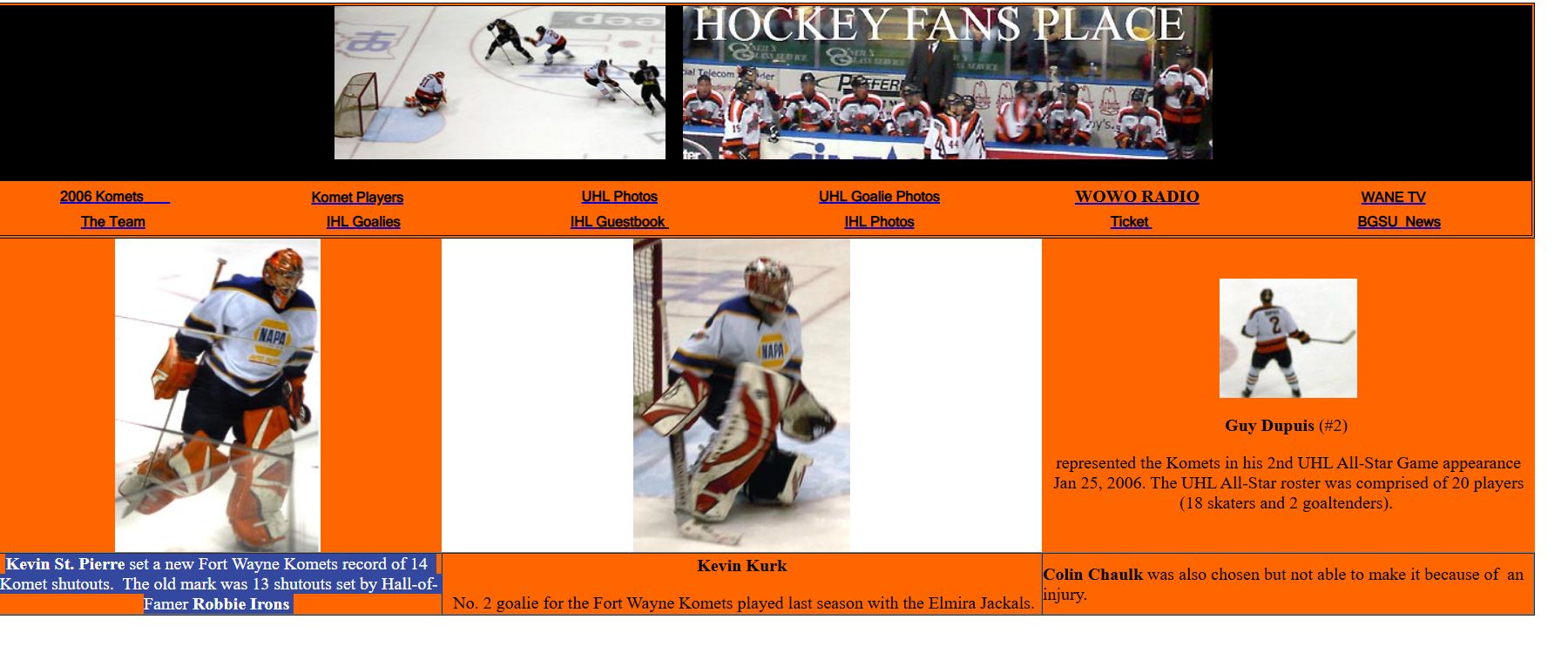
For years, I assumed all the Geocities content was gone—but a few days ago, I stumbled across the Geocities restorativland project and managed to pull up my old Hockey Fans Place homepage. All of the links were dead, but the homepage still held 5 images—a little reminder that even back then, pairing visuals with my writing was something I cared about.
Lately, I was going through some of my newer content and was surprised to see posts stretching back to 2014. My first images were from local hikes, mostly edited in black and white. Not long after, I started sharing photos of lighthouses—I’ve always loved photographing them whenever I come across one. I can still remember standing by the water, feeling the mist on my face, listening to the waves crash, and noticing the rough texture of the rocks under my feet. Those early posts weren’t fancy or polished—they were just little snapshots of what caught my eye and brought me joy.
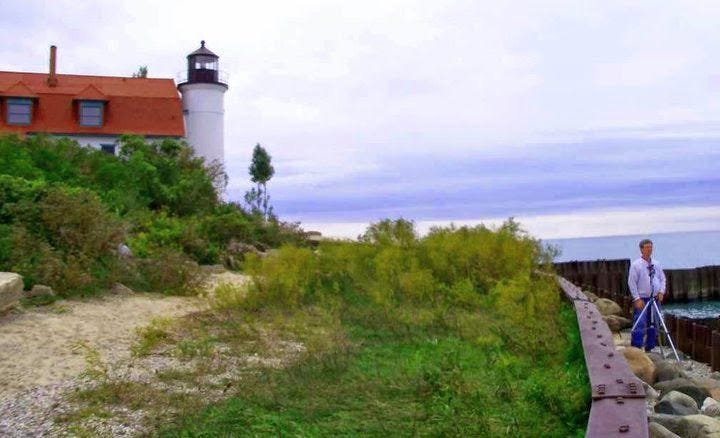
Blogging for me is holding on to normalcy, a thread connecting me to life outside work. It’s my way of saying, “I’m still here, and I still notice the beauty in the world.”
As the years went on, my documenting evolved, and I began editing images together to create a video, and some of this incorporated movement, sound, and the atmosphere in a way photos alone couldn’t convey. Even now, looking back, I can see how meaningful those moments were—they were my way of pausing, noticing, and saying, “This mattered to me.”
That’s what documenting has done for me. It’s not just about sharing experiences—it’s about creating a record, a personal history I can revisit. Each post, each photo, each video reminds me of the people I met, the places I saw, and the little joys I might have otherwise forgotten. Ordinary moments become extraordinary once captured, and they slowly build into a narrative of the life I’ve lived.
Curious, I wondered how common it is for people my age—around 60—to maintain personal blogs or share their adventures online. So I checked out What Do Seniors Do Online and other sites for stories on Boomer Blogospher.
From what I found, while blogging has declined among younger generations, older adults are still keeping journals online at a modest but steady rate. Roughly one in ten adults over 50 maintain a personal blog or online journal. Seeing that, I realized I’m not alone—there are others my age out there chronicling their lives, reflecting on experiences, and making sure their stories are remembered.
For me, documenting life has become more than a hobby; it’s part of my personal history. It’s a way of honoring the past, capturing the present, and shaping the future. It’s funny how something as simple as sunsets and lighthouses—or a weekend hike—can turn into a treasure trove of memories. Looking back, I see patterns, growth, and little sparks of joy I might have otherwise missed. And even as life continues to change, I know I will keep noticing, capturing, and remembering—because these small moments, once recorded, become the threads that weave the story of my life.