
Cousins, Chrome, and Second Chances

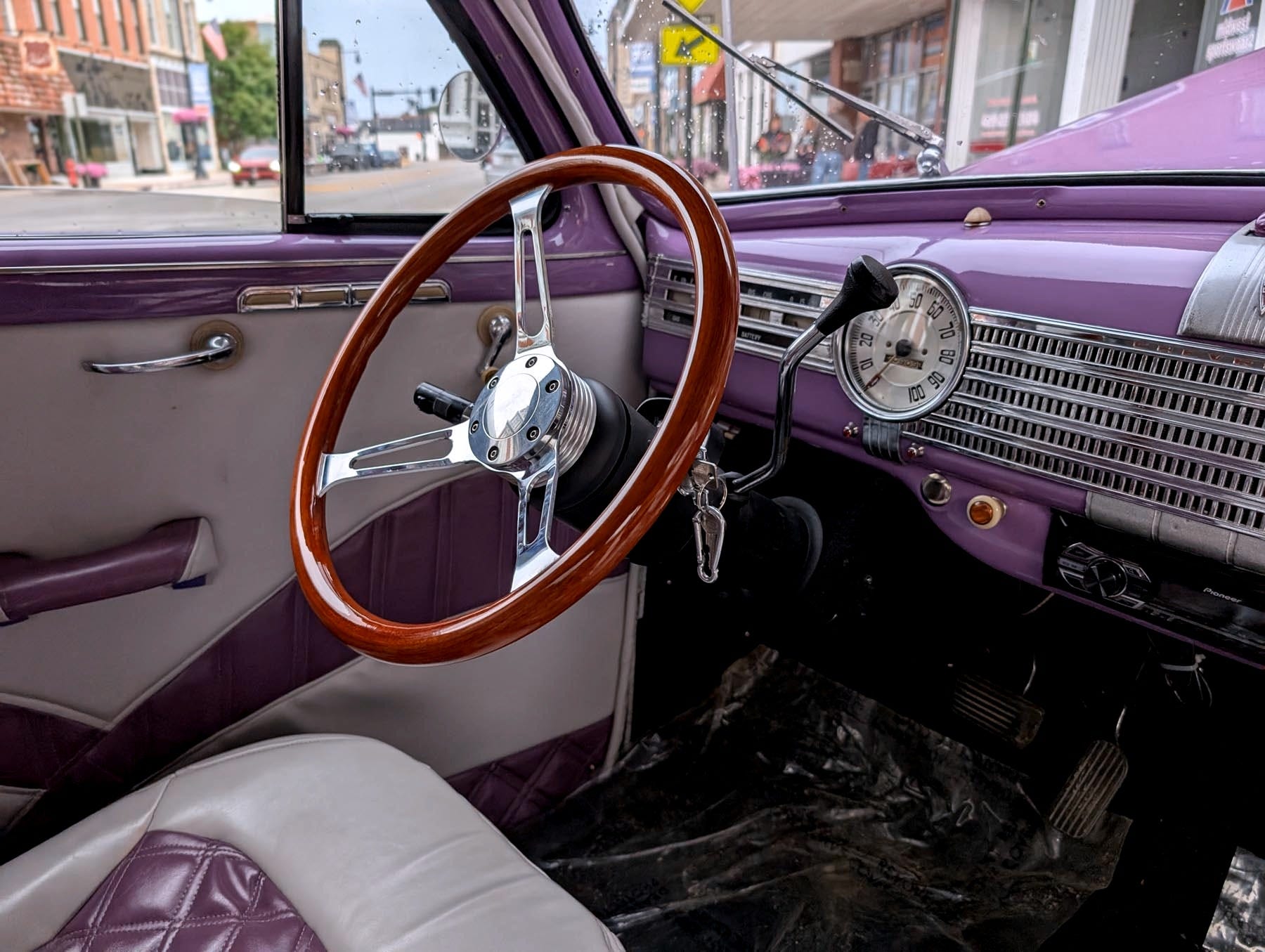
sitting in the passenger seat of my friend Clay’s 1941 Chevy - gotta love that Chrome
I was born into a family of motorheads. Not the casual “cars are nice” kind — the real kind. The kind who can identify a V8 before it rounds the corner. The kind who treat Sunday drives like sacred rituals. In our family, chrome wasn’t decoration. It was devotion.
When I say we, I’m talking about my cousins — the ones I didn’t grow up under the same roof with, but somehow grew up alongside anyway. We were connected by engines and exhaust notes more than geography. At reunions, while others caught up over casseroles and lawn chairs, we drifted toward the driveway. Toward the hoods propped open. Toward whatever project was mid-restoration.
Most of them can look at a rust bucket and see what it once was. They don’t see decay first — they see lines. They see craftsmanship. They see the ghost of a machine that once gleamed under showroom lights or rumbled confidently down a back road. To them, rust isn’t the end of the story. It’s an invitation.
And somewhere along the way, that perspective became mine too.
Yes, restoring a car can cost a small fortune. Parts aren’t cheap. Paint jobs can rival a down payment. And the hours? Endless. But restoration isn’t about financial sense. It’s about meaning.
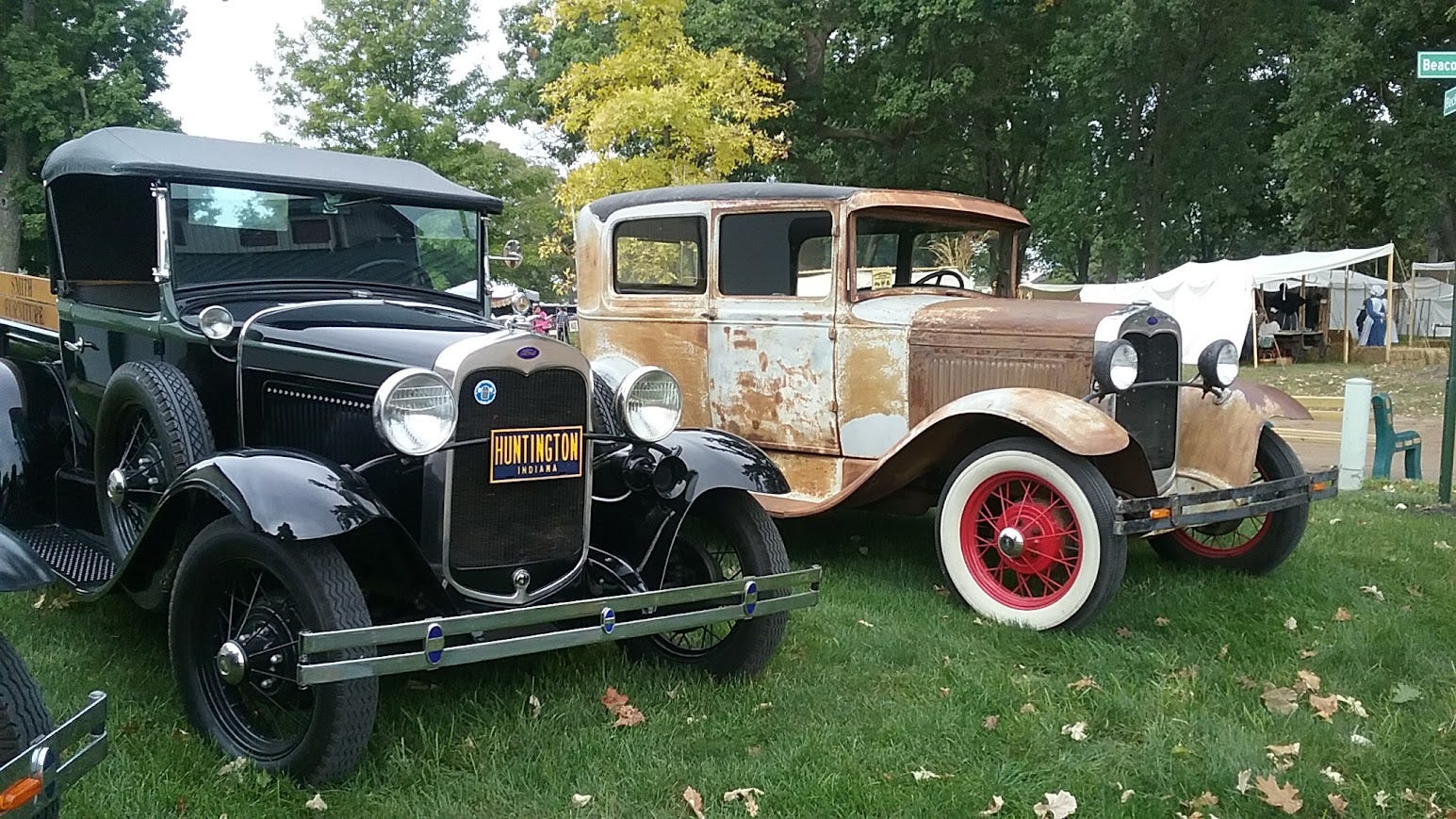
There’s something almost sacred about taking something weathered and coaxing it back to life. Sanding down corrosion. Tracking down original trim. Arguing over the correct factory color. Every bolt tightened feels like a small act of resistance against time. You aren’t just fixing metal — you’re reviving memory.
A car that gleams is beautiful.
A car that runs is victorious.
My first car was red with black racing stripes. It looked fast standing still. No, it wasn’t a Ferrari Testarossa, but to me it carried just as much personality. It rattled. It had quirks. It demanded patience. But it was mine. That first solo drive felt like freedom — not because of speed, but because of possibility.
Over the years, I’ve wandered through more car shows than I can count. One July, thousands gathered at the Grand Lake Festival to watch 30 to 40 Amphicar vehicles participate in a “swim-in.” If you’ve never seen one, picture a vintage car calmly rolling down a boat ramp and simply continuing into the water.
And floating.
The crowd erupted — laughter, applause, disbelief. For a moment, adulthood loosened its grip. Bills, deadlines, responsibilities — all of it faded behind the delight of watching a car do something utterly unnecessary and entirely joyful.
What’s better than a car that runs?
A car that swims.
Unless it also flies.
I’ve always loved Chitty Chitty Bang Bang. Yes, Dick Van Dyke is charming, but the true magic is the car. It transforms. It defies limitation. It moves from road to water to sky as if boundaries are merely suggestions. It embodies the very thing restoration promises — transformation.
Maybe that’s why my cousins — and so many like them — feel the pull to restore old vehicles.
Life can be heavy. Predictable. Worn thin by routine. But in a garage, something shifts. The world narrows to what’s in front of you: a carburetor that needs adjusting, a fender that needs sanding, an engine that almost — almost — turns over. Restoration demands focus. It rewards patience. It offers visible progress in a world where so much feels intangible.
It’s escape without leaving home.
These days, I live near Auburn — proudly known as the Classic Car Capital of the World. Each year, collectors gather to celebrate rolling masterpieces like the legendary Duesenberg Model J. These cars aren’t just transportation; they’re declarations of ambition. Even Jay Leno speaks about Duesenbergs with reverence, as though discussing fine art.
And maybe that’s exactly what they are.
Art you can bring back to life.
Restoration isn’t nostalgia for nostalgia’s sake. It’s about agency. It’s about taking something worn and proving it still has value. When an engine finally fires after months — sometimes years — of effort, the sound isn’t just mechanical success.
It’s affirmation.
Broken things can run again.
When I say we, I mean my cousins scattered across different towns and different garages. I mean the shared language of torque specs and trim pieces. I mean the inherited instinct to see beyond rust.
They may not live with me.
But every time I smell gasoline, hear an engine turn over, or watch sunlight hit polished chrome, I feel connected to them. And to every machine waiting patiently for its second chance.